

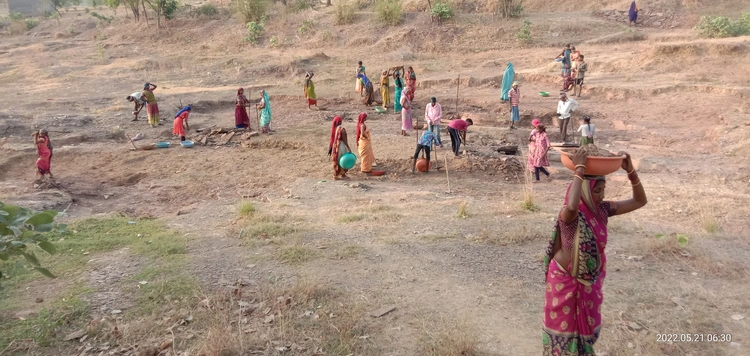
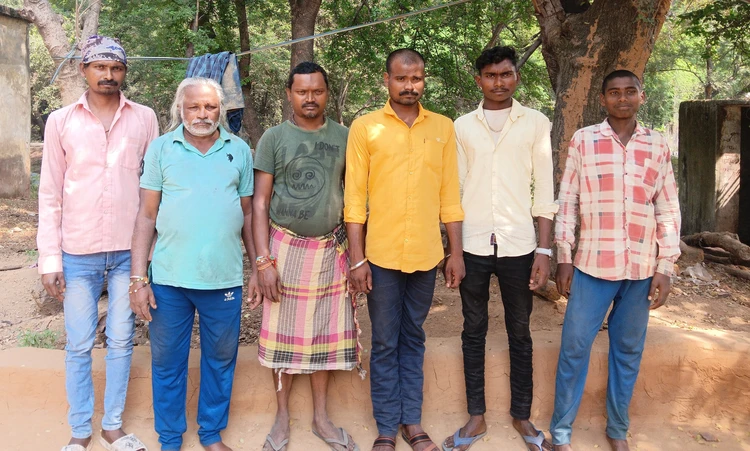
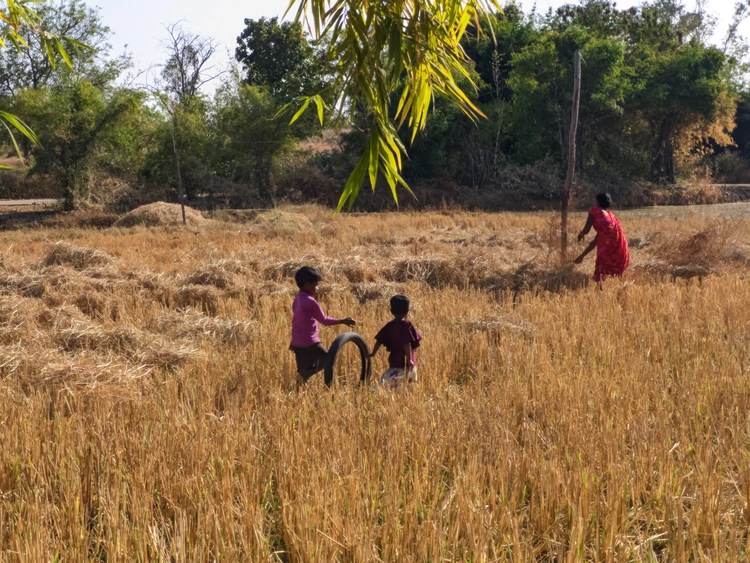
Hard work is central to the Sabariya lifestyle. Many community members are engaged in manual labour, agriculture-related work, and seasonal employment. Practical skills are learned through daily experience, as children grow up observing and participating in family and community work. This hands-on learning builds responsibility, adaptability, and a strong work ethic that supports everyday survival and progress.
Daily Wage Work
Many Sabariya adults work as daily wage labourers in activities such as digging mud, road work, and house construction. This work requires physical strength, teamwork, and long hours. It remains an important source of income for many families.
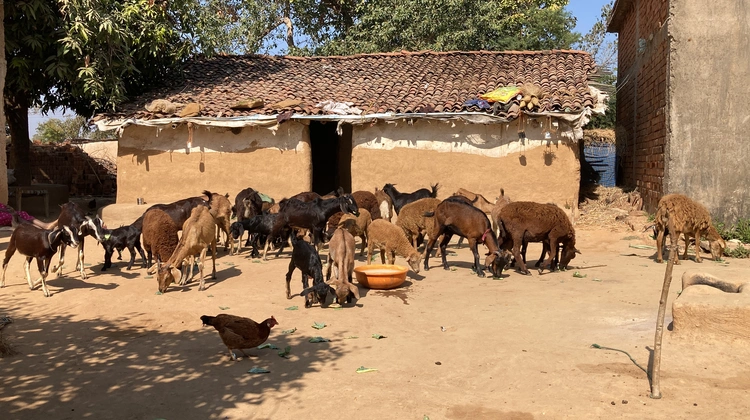
Animal Farming
Some Sabariya families keep animals such as goats, chickens, or cattle as part of their livelihood. Animal care provides food support and small additional income. Children and adults often share responsibilities, learning care and discipline through daily practice.
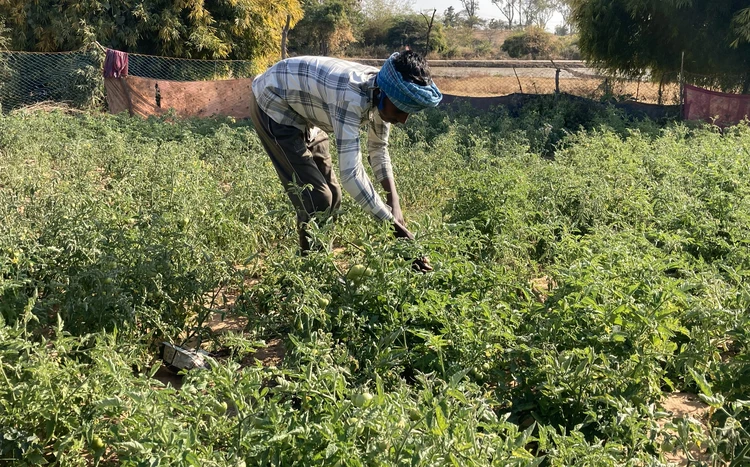
Farming
Farming plays an important role in Sabariya life, either on small plots or as support work on others’ land. Community members are involved in sowing, harvesting, and seasonal agricultural activities. This work connects families closely to the land and local seasons.
Factory Work
Some community members migrate seasonally or long-term to work in factories and industrial areas. Factory work offers regular income and exposure to new skills and environments. These experiences also influence changing lifestyles within the community.