
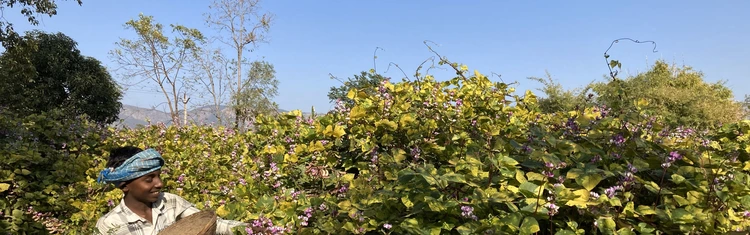
This website invites you to discover the world of the Sabariya community—where forest paths meet open fields, where hard work shapes daily life, and
where strong family bonds hold people together. The Sabariya are a distinct community, known for their unique language, culture, and traditions, and for living together in close-knit settlements that reflect their shared way of life.
Here, you will learn about Sabariya culture, the Sabariya language, everyday traditions, and the lived experiences of the community. Through stories, photographs, and shared knowledge, this platform reflects a resilient way of life shaped by cooperation, adaptability, and identity.
We welcome you to walk with us, learn with respect, and understand more deeply.
Bookmark this website to stay connected.
Who Are the Sabariya?
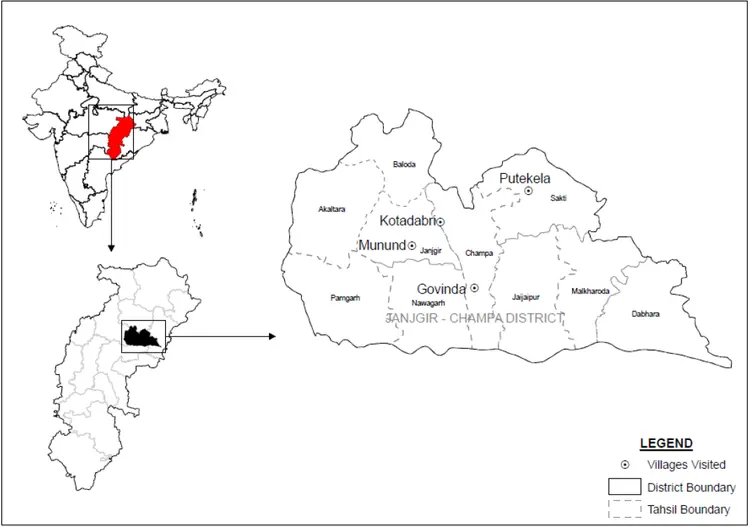
The Sabariya are a migrant tribal community whose settlements are spread across more than 80 villages in Chhattisgarh.
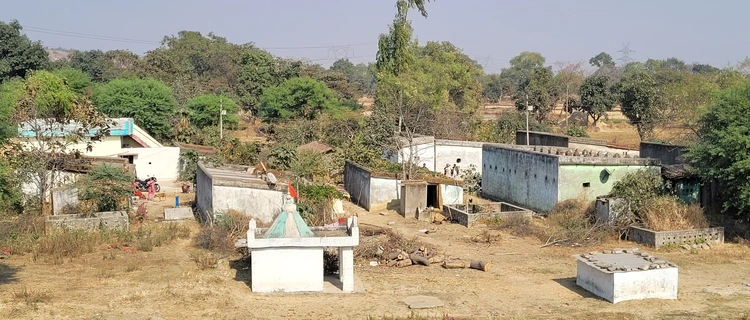
In many locations, Sabariya families live on the outskirts of main villages, forming close-knit hamlets with strong social cooperation.
Traditionally dependent on manual labour, forest-based knowledge, and seasonal work, the community has developed remarkable resilience in the face of economic instability and limited access to education, healthcare, and official documentation. At the same time, Sabariya society is marked by mutual support, oral traditions, and a strong sense of identity that continues to guide community life today.
Life by the River
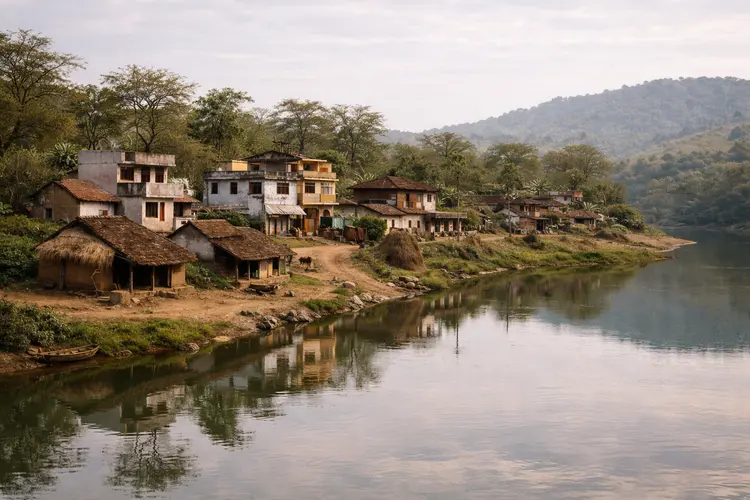
The Sabariya people traditionally live close to rivers, or big pond where water, forests, and land support their daily life.
They usually settle in small, close-knit groups, rather than large villages, preserving their own way of life, traditions, and identity.
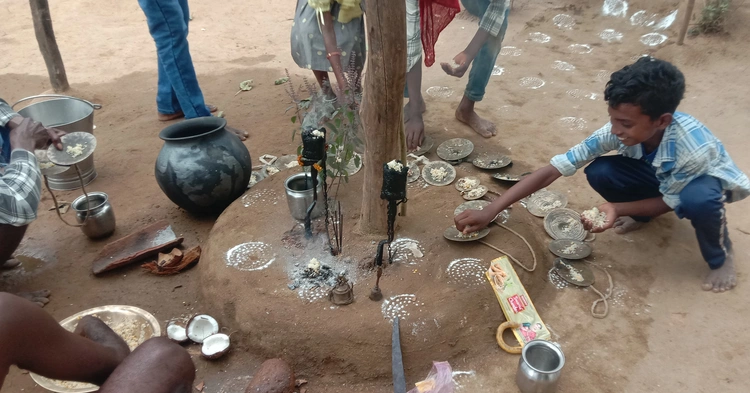
Unique Devotion
Traditionally, their worship follows an indigenous belief system, centered on nature, ancestral spirits, and unseen powers.
They revere objects, places, and symbols rather than idols, reflecting a deeply rooted, traditional way of worship.
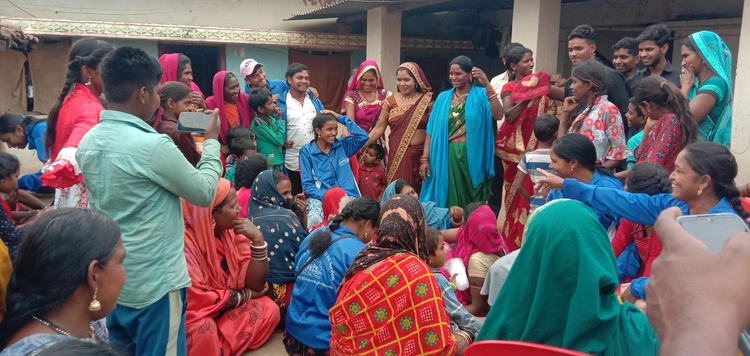
Strong Community Bonding
Though Sabariya settlements may be 20 to 200 kilometers apart, they remain closely connected by heart.
Current Newsletter
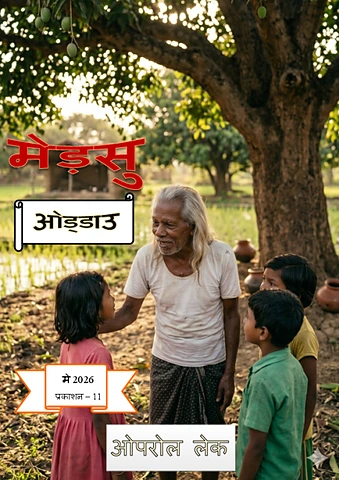
May Monthly Periodical .pdf
Old Newsletters

August.pdf
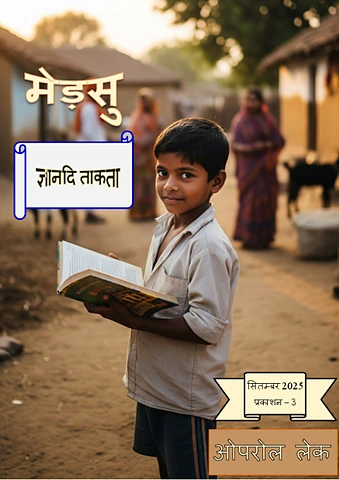
September.pdf
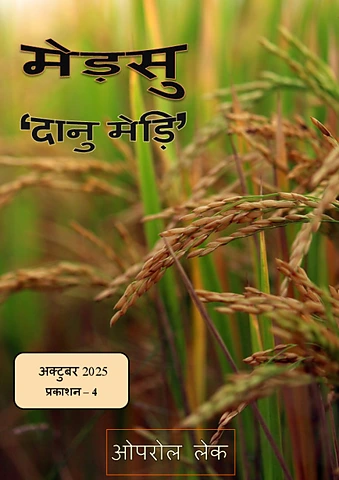
October.pdf
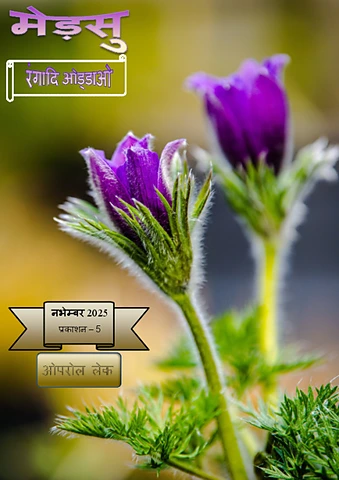
November.pdf
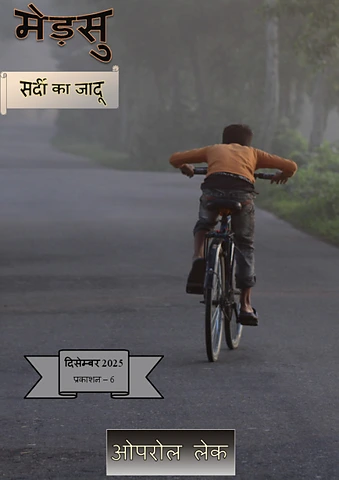
December.pdf
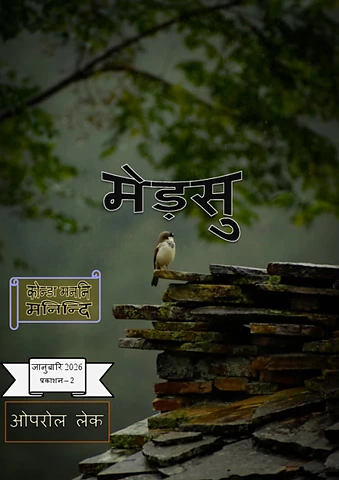
Jan mountain river.pdf
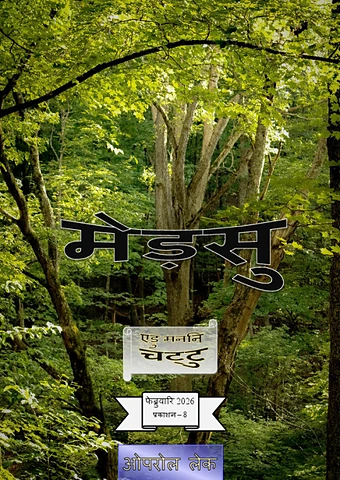
February forest and tree.pdf
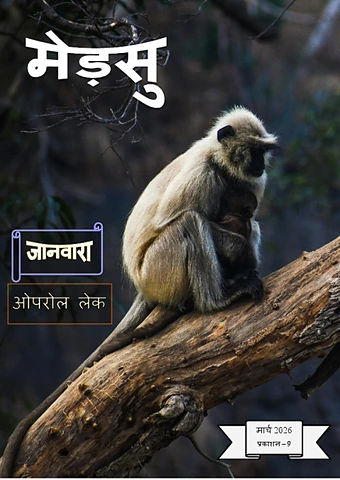
March amimals- bear monkey eliphent rabbit.pdf
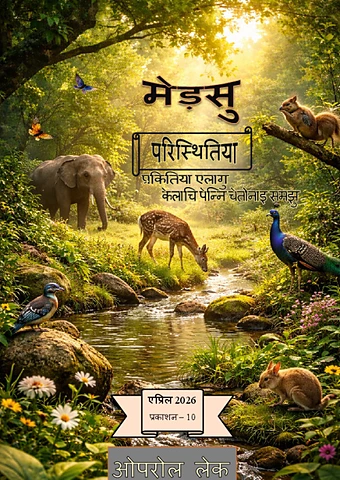
May Monthly Periodical .pdf